
Supply Chain Management vs Logistics: What's Actually Different
Same job family, different altitude: here's how supply chain management vs logistics breaks down in scope, pay, and where each path leads.

- Logistics
- Movement & storage of goods
- Supply chain
- End-to-end system
- Logistician
- $82,320 (+17%)
- Supply chain mgr
- $107,230
- Entry degree
- Bachelor's
- Programs
- ~173 (bachelor's)
Supply chain management vs logistics comes down to one number most people never hear: $21,130, the gap between what a logistician earns and what a supply chain manager earns. Logistics is the movement and storage of goods, the trucks, the warehouses, the delivery windows. Supply chain management is the whole system around it: sourcing raw materials, running production, planning inventory, moving goods through logistics, and getting the finished product to a customer.
Get the distinction right and two things follow. You'll pick the right degree instead of guessing, and you'll understand why a logistics job is so often the on-ramp to a supply chain management career rather than a dead end. That's the real supply chain management vs logistics divide, and it plays out in scope, in pay, and in what you study.
Supply Chain Management vs Logistics: The Short Answer
Supply chain management vs logistics is a scope question, not a rivalry between two separate fields. Logistics is a part of supply chain management, not a competing field next to it. Logistics moves and stores goods: transportation, warehousing, and distribution. Supply chain management runs the whole end-to-end system, sourcing and procurement, production, inventory, logistics, and delivery.
Every logistics function lives inside a supply chain. Not every supply chain management job touches logistics directly; some roles are pure procurement or demand planning and rarely see a loading dock. That containment is the whole answer, and it's why the two paths train differently and pay differently.
The Difference in Scope
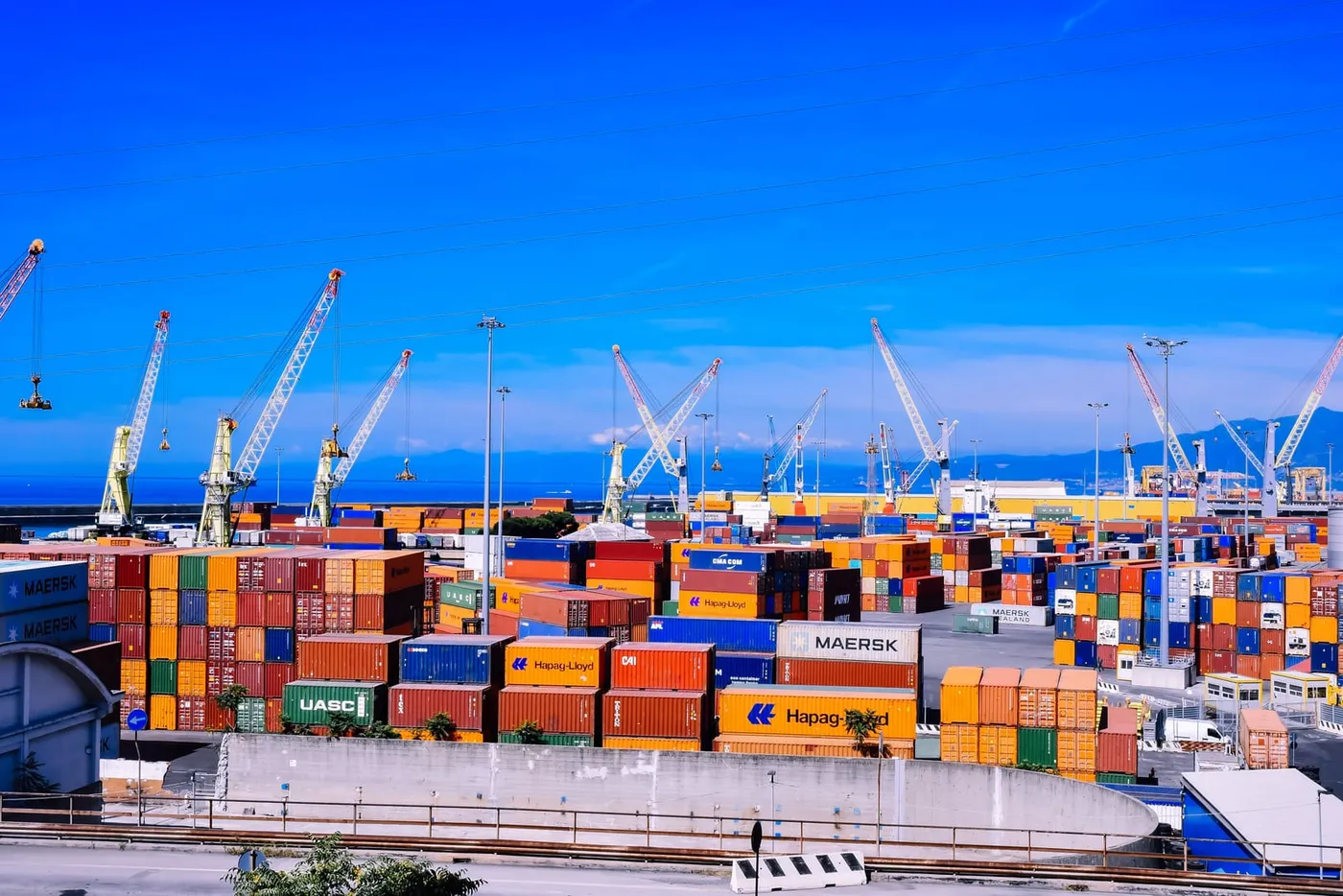
Picture a company that makes furniture. Supply chain management starts before a single board is cut: sourcing the lumber, negotiating with mills, forecasting how many chairs will sell next quarter, scheduling the factory floor. Logistics starts once the chairs exist: getting them out of the factory, into a warehouse, onto a truck or a container ship, and to a retailer's loading dock on schedule.
Supply chain management covers five broad functions: sourcing and procurement, production, inventory planning, logistics, and delivery. Logistics is the fourth of those five, the transportation, warehousing, and distribution slice. A supply chain manager worries about whether the mill can supply enough lumber at the right price. A logistics manager worries about whether the truck carrying finished chairs left on time and whether the warehouse has room for next week's shipment.
That nesting is worth knowing before you enroll in supply chain management degree programs, because a real SCM curriculum covers all five functions, not just the trucks-and-warehouses piece. It's the cleanest way to see supply chain management vs logistics in action: sourcing and production happen before logistics touches the product, and delivery closes the loop after logistics hands it off.
Careers and Pay: Supply Chain Management vs Logistics
The pay gap between logistics and supply chain management tells you almost everything about how the roles differ. The BLS Occupational Outlook Handbook for logisticians puts the median at $82,320 a year, with 18 percent projected growth, which BLS classifies as much faster than average. Logisticians typically enter with a bachelor's degree, and the job is analyst-level: tracking shipments, auditing carrier contracts, building routing models, and troubleshooting a shipment that didn't show up.
Supply chain managers are tracked by BLS under transportation, storage, and distribution managers, with a median of $107,230, about $21,130 more than a logistician, and 6 percent projected growth. That's the manager-level path: you're not just tracking the shipment, you're setting the budget, choosing the carriers, and managing the people who do the tracking. That's the heart of the supply chain management vs logistics pay question, and it's the number that should drive your next move.
The practical upshot: a logistics job is very often the way in. You start as a logistics analyst or coordinator, learn how freight actually moves, and use that as the base for how to become a supply chain manager. Check current supply chain manager salary data before you decide whether the jump is worth chasing, because that $21,130 gap is the single biggest number in this whole comparison.
Which Should You Study?
Here's the decision rule: study supply chain management if you want to run the department someday. Study logistics, or a logistics concentration, if you want to be the person who makes the trucks and warehouses actually work. A supply chain management degree is broader by design. It puts you in front of procurement, production planning, and demand forecasting, on top of logistics, which is exactly the exposure hiring managers look for when they fill a supply chain manager role.
A logistics-focused track goes deeper on one piece: transportation networks, warehouse design, carrier negotiation, distribution software. That specialization is genuinely valuable, and logistics analysts with real expertise in routing and warehouse operations stay in demand. But it's narrower, and it trains you for the analyst seat, not the department head seat.
Most accredited programs don't force the choice. They teach both, with logistics as one module inside a broader supply chain curriculum, and let you specialize through electives. That's the honest reason so many people start in a logistics role and grow into supply chain management: the fundamentals overlap, and the credential that opens the manager track is the broader one. If you're weighing where to enroll, start with bachelor's in supply chain management programs rather than a narrow logistics-only track, since it keeps both doors open. Framed as breadth versus depth, the supply chain management vs logistics choice gets a lot easier to make.
The Day-to-Day Difference
A logistics role is operational and immediate. You're routing today's shipments, watching a warehouse's dock schedule, chasing a delayed container, and hitting delivery timelines measured daily or weekly. The job rewards people who work well under time pressure and who are comfortable with software that tracks fleets, inventory, and routes in real time.
A supply chain management role runs on a longer clock. You're negotiating supplier contracts that lock in pricing for a year, building demand forecasts three quarters out, setting a departmental budget, and deciding whether to add a second warehouse or a second supplier. Logistics still shows up, because a supply chain manager owns it too, but it's one line item among sourcing, production, and inventory decisions.
Both jobs lean harder on data every year. Warehouse management systems, transportation management software, and demand-planning tools now sit on nearly every logistics and supply chain desk, so neither path lets you avoid learning the software your company runs on. The supply chain management vs logistics contrast is clearest right here: one job is measured in same-day wins, the other in quarterly outcomes.
Degrees and Programs: Supply Chain Management vs Logistics
Our rankings track about 173 accredited bachelor's supply chain management programs nationally, which gives you real choice if you decide the broader degree is the right call. Very few schools offer a standalone logistics bachelor's degree; logistics is almost always taught as a concentration or a set of courses inside a supply chain management or business program, which reinforces the point that logistics lives inside supply chain management rather than beside it.
If you're ready to compare schools, start with the full list of supply chain management degree programs in our rankings, or go straight to the bachelor's in supply chain management programs if you're choosing your first degree. Either page shows you cost, outcomes, and where logistics coursework fits inside the broader curriculum. On the program-supply side of supply chain management vs logistics, the answer is simple: pick the broader credential, then specialize into logistics with electives if that's the piece you want to master.